
Blog

Lincoln Recommended Service Schedule Explained

a3781914-6e4a-4d71-8dec-0a93ad52b47b

Author: Loveland Lincoln

Welcome to your locally tailored maintenance guide, designed specifically for Loveland drivers. At Loveland Lincoln, we understand the unique driving conditions and climate that you face on the roads-from the busy lanes of US-34 to the snowy stretches along I-25. With decades of service experience, we've crafted this guide to align with the needs of our community, including neighbors from Fort Collins, Denver, and Englewood. Here, you'll find essential insights on maintaining your Lincoln vehicle, ensuring it performs optimally while navigating Loveland's charming streets and scenic routes.

Why Should You Follow a Maintenance Schedule for Your Lincoln?

Adhering to a maintenance schedule is essential for safeguarding your investment in your Lincoln while ensuring its reliability, particularly in the unique climate of Colorado. With the mix of summer heat, fluctuating humidity, and heavy pollen during spring, local driving conditions can significantly stress fluids, belts, and filters in your vehicle. For instance, the frequent short trips common to Loveland, whether it's a quick jaunt to the Benson Sculpture Garden or a longer commute to Fort Collins, can exacerbate wear and tear if not properly managed.

Regular servicing enhances your vehicle's performance, fuel efficiency, and overall safety. A well-maintained Lincoln, like the Corsair or Navigator, is better equipped to handle Loveland's challenging winter conditions, providing peace of mind on slick roads or during snowstorms. This maintenance isn't just about avoiding breakdowns; it ensures your vehicle operates under optimal conditions, allowing you to enjoy every drive with confidence. For additional insights into vehicle care, resources like Edmunds offer a wealth of information.

How Does Lincoln's Service Reminder System Work?

Many Lincoln vehicles are equipped to notify you when routine maintenance is approaching. This feature is designed to encourage you to check the recommended services for your vehicle.

Typically, when it's time for maintenance, you might see a dashboard message or a maintenance reminder. Since the exact notifications and schedules can vary by model, it's essential to consult your owner's manual for precise information.

What Does the Primary Service Reminder Mean?

After understanding how service reminders work in general, the next step is to recognize what the primary reminder indicates. This reminder serves as a high-level alert that indicates scheduled maintenance is due or approaching. For specifics about what maintenance is due, refer to the owner's manual and the in-vehicle maintenance information.

Primary reminder: This serves as a general signal to review your vehicle's scheduled maintenance recommendations and plan for service.

Additional details: Consult the owner's manual to verify the recommended service.

What Do Additional Service Indicators Mean?

Some vehicles provide extra details beyond the primary service reminder, offering insights through additional items, symbols, or menu entries. These indicators can help pinpoint what type of service may be due, although their specific meanings vary by vehicle. Always refer to your owner's manual or on-screen maintenance information for clarity.

  • Tire rotation: Regular tire rotation promotes even tread wear and improves handling. Given the frequent stop-and-go traffic around Loveland or highway trips to Fort Collins and Denver, tire longevity can be affected.
  • Engine and cabin air filters: Engine air filters ensure proper airflow for performance, while cabin air filters maintain air quality inside the vehicle. Local dust, pollen, and busy roadways can lead to quicker filter clogging.
  • Transmission fluid: Some vehicles may signal when transmission fluid needs servicing as part of routine maintenance. If you often drive in stop-and-go traffic or on hilly terrain, the transmission can experience additional strain.
  • Spark plugs and valve clearance check (when applicable): Scheduled spark plug replacements are common, and some engines may also require valve clearance checks. These items usually relate to higher mileage or time-based service needs.
  • Engine coolant: Coolant plays a vital role in regulating engine temperature and protecting components. Extended highway drives during the hot summer months can increase the demands on your cooling system.
  • Rear differential fluid (AWD/4WD, if equipped): Vehicles with AWD or 4WD systems may require differential fluid servicing. Driving on wet roads, uneven surfaces, or during winter conditions can increase the stress on drivetrain components.
  • Brake fluid: Over time, brake fluid can absorb moisture, potentially impacting braking efficiency. If your vehicle flags brake fluid service, be sure to follow the recommended intervals based on your driving conditions.

What is a Typical Lincoln Service Schedule for Loveland Drivers?
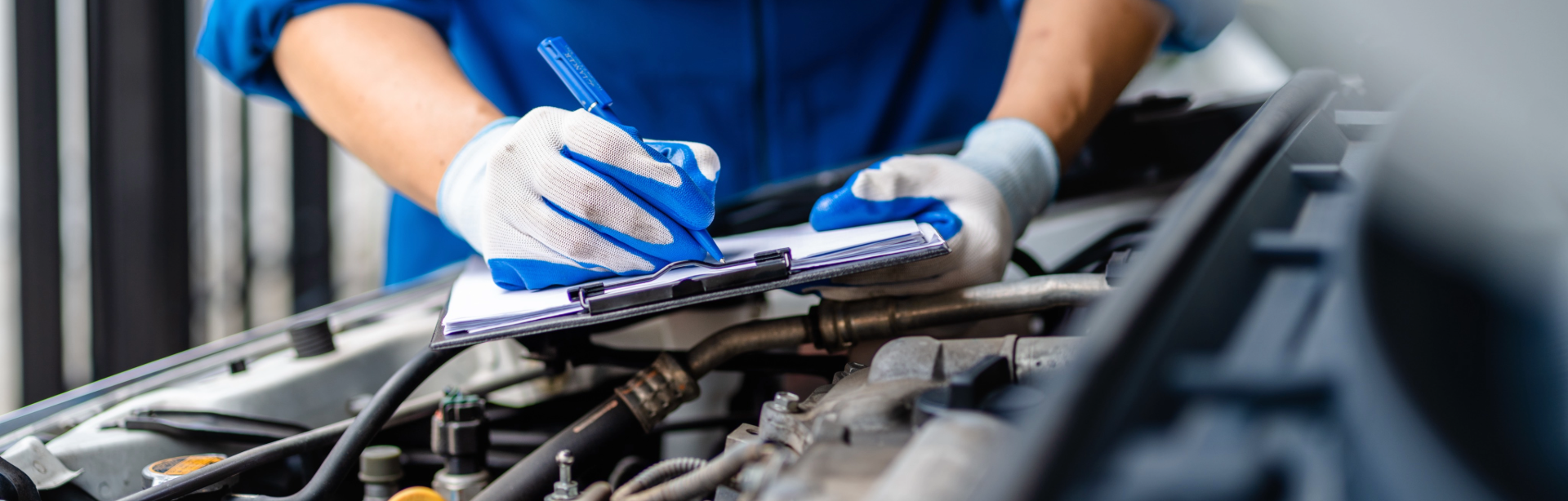
Carservice6 - Service

Even if your Lincoln features service reminders or maintenance alerts on the dashboard, knowing the typical maintenance timeline can help you prepare for upcoming service needs. This outline serves as a useful reference alongside your owner's manual and any in-vehicle guidance.

What Services Are Needed in the First 30,000 Miles?

During the initial 30,000 miles of ownership, drivers typically focus on foundational services such as routine oil changes, tire rotations, and air filter checks. The specific timing for these services will vary based on your Lincoln model, driving habits, and the recommendations found in your owner's manual.

Oil service: Most Lincoln vehicles may require oil changes depending on usage. For instance, if your daily drive includes stop-and-go traffic on busy routes like U.S. Highway 34 or I-25 through Loveland, you might find that oil changes come up more frequently than for those who enjoy longer highway drives.

Tires and filters: Tire rotations are typically performed in conjunction with oil changes to promote even wear. It's also important to keep an eye on your engine and cabin air filters, especially given the pollen, dust, and construction debris prevalent in the Loveland area.

What Maintenance Should Be Done Between 30,000 and 60,000 Miles?

Between 30,000 and 60,000 miles, maintenance often shifts from basic upkeep to protecting key systems through fluid services and more frequent inspections. The exact timing depends on your Lincoln model, powertrain, and driving habits, so refer to your owner's manual and in-vehicle maintenance information to confirm what's necessary.

What Major Services are Required Approaching 100,000 Miles?

As your Lincoln approaches the 100,000-mile mark, several key maintenance services often come into focus. The specific timing and necessity can vary based on your model and engine type, so it's best to consult your owner's manual for precise recommendations.

Spark plugs: It's common for many Lincoln models to recommend spark plug replacement around this milestone. Fresh spark plugs play a crucial role in maintaining engine efficiency and ensuring smooth starts. Over time, worn plugs can lead to decreased performance, so staying on top of this service can enhance both reliability and fuel efficiency.

Timing belt (if equipped) and coolant service: Some engines, particularly in older designs, may utilize a timing belt that has a specific replacement interval, while many modern engines are equipped with timing chains, which typically do not require routine replacement. Additionally, a coolant flush or replacement is often suggested to protect your vehicle's cooling system from corrosion and overheating. Keeping up with these services not only supports your vehicle's longevity but also helps maintain its resale value-check out Kelley Blue Book for insights on how regular maintenance influences long-term vehicle value.

Why is Local Expertise Important for Servicing Your Lincoln?

Having a service team that understands the unique climate, road conditions, and driving habits in Loveland is invaluable for maintaining your Lincoln. The high heat and humidity during summer can accelerate wear on components like air conditioning systems, while winter's 40 inches of snowfall and icy roads require specific considerations for winter tires and AWD systems. Our technicians at Loveland Lincoln are well-versed in recognizing the effects of local pollen on air filters, as well as the wear patterns that emerge from navigating Loveland's busy streets, including Eisenhower Boulevard and Taft Avenue. This localized knowledge ensures that your vehicle is not only serviced correctly but also prepared for the specific challenges of our region.

For further information on vehicle safety and maintenance, you can explore resources from the National Highway Traffic Safety Administration (NHTSA) and the Lincoln Owners site, which provides essential insights tailored to your model.

Frequently Asked Questions (FAQs)

How often should I really change my oil in Loveland's climate?

Your vehicle's service reminder or owner's manual is the best resource for oil change intervals. In Loveland's variable climate, many drivers find that regular oil changes are ideal, especially when using synthetic oil, to ensure optimal engine performance.

Are all-season tires enough for driving in Loveland?

High-quality all-season tires generally perform well in Loveland, but during the winter months when snow and ice are prevalent, consider winter tires for enhanced safety and traction.

Does commuting on local highways affect my service intervals?

Yes, it does. Frequent stop-and-go traffic on busy highways can lead to more wear on your vehicle's components, potentially requiring more frequent maintenance. Pay attention to your service reminder system, as it may adjust based on your driving patterns.

With the pollen in spring, how often should I change my cabin air filter?

We suggest inspecting your cabin air filter regularly, especially after the heavy pollen season typical in Loveland. Many drivers replace it to maintain clean air inside the vehicle and ensure efficient air conditioning.

Is AWD worth it for navigating Loveland's roads?

For many Loveland drivers, having AWD is beneficial, particularly during winter months when snow accumulates. It provides better traction and stability, which is crucial for safely navigating local roads and highways during adverse weather conditions.

My vehicle doesn't have a service reminder system. What schedule should I follow?

If you drive an older model without a service reminder, a good guideline is to follow regular maintenance intervals. Refer to your owner's manual for specific maintenance intervals for filters and other components.

About Loveland Lincoln

At Loveland Lincoln, we are proud to be your trusted, family-owned automotive partner since opening in March 2014. Our deep commitment to the community is shown through our support for local charities like Hearts & Horses and the Boys and Girls Club. We strive to make your experience exceptional with unique amenities like no-haggle pricing, at-home test drives, and a pet-friendly showroom. Our factory-certified technicians and knowledgeable sales team are here to provide expert care for you and your vehicle. You can trust us to be your long-term partner for all your automotive needs.


Related Articles:

A Guide to Selecting Your Lincoln Dealership in Loveland, CO
Recommended Posts

Lincoln Maintenance

Understanding How Mileage Affects the Trade-In Value of Your Lincoln

Author: Loveland Lincoln Team For Lincoln shoppers in the Loveland area, understanding how mileage impacts trade-in value is essential when considering the sale of your vehicle. While mileage is a major factor, it's one piece of a larger picture that includes maintenance and overall condition. At Loveland Lincoln, we draw on years of local experience to provide transparent appraisals that reflect the true value of your vehicle. Whether you’re commuting along I-25 to Denver or navigating the scenic routes to Rocky Mountain National Park, the miles you drive and how you care for your vehicle can significantly influence its trade-in worth. In this article, we'll explore how these elements work together to give you a clearer understanding of your car’s value in our community. How Does High Mileage Directly Impact Your Lincoln's Value? High mileage typically decreases your Lincoln's value because it indicates greater wear on critical components. More miles mean more strain on the engine, transmission, and brakes, leading to increased reconditioning costs that dealers account for in their offers. For drivers around Loveland, this could mean a Lincoln with 100,000 miles might need a timing belt replacement sooner than one with only 30,000 miles. Additionally, local commute patterns play an essential role. If you regularly navigate traffic on I-25 or US-34, your vehicle may accumulate wear faster due to stop-and-go conditions. Dealerships recognize that higher-mileage vehicles are often in need of more repairs before resale, impacting trade-in values. Tools like Edmunds can help you understand how mileage affects your vehicle's market worth. What Is Considered a Good Mileage Number for a Trade-In? A good mileage number for a trade-in typically aligns with the national average of 12,000 to 15,000 miles per year. For Loveland drivers, this means that a vehicle within this range is seen as having "average" use, making it more appealing for trade-in purposes. For example, if you own a three-year-old Lincoln SUV, it should ideally have between 36,000 and 45,000 miles. Vehicles with significantly lower mileage can fetch a higher trade-in price due to their desirability in the pre-owned market. This is often referred to as a "low-mileage premium." On the other hand, if your daily commute involves navigating the busy intersections along US-34 or I-25, you might accrue miles more rapidly. Cars exceeding 15,000 miles per year are categorized as having "high" mileage, which may lower their trade-in value. However, Lincoln vehicles are known for their durability; even a higher-mileage model can retain value when it has been well-maintained, especially with a solid service history. This is important for enhancing your trade-in expectations when considering your next vehicle. Does the Type of Mileage Matter to a Dealership? Absolutely, the type of mileage your Lincoln has accumulated plays a significant role in its valuation. Dealerships, including Loveland Lincoln, differentiate between "highway miles" and "city miles," and generally, highway miles are less detrimental to a vehicle's overall condition. Highway miles, such as those accumulated during a smooth drive along I-25 towards Fort Collins, are typically better for a vehicle. This is due to the steady speeds maintained, which reduce stress on critical components like the engine, transmission, and brakes. In contrast, city miles, which you might experience navigating the stop-and-go traffic on US-34 through Loveland or while traveling through busy downtown areas, result in more wear and tear. The constant starting and stopping required in city driving accelerates the degradation of parts like brake pads and rotors, as well as transmission components. When assessing a trade-in, we carefully examine these factors to determine the vehicle's history and condition. How Regular Maintenance Affects Mileage Perception For drivers in Loveland, regular maintenance plays a crucial role in how mileage influences a vehicle's value. A comprehensive service history can effectively mitigate concerns about high mileage, making a well-maintained vehicle more appealing than one with lower mileage but poor upkeep. Consider a Lincoln Navigator with 90,000 miles that has consistently documented oil changes, brake inspections, and tire rotations. This vehicle may be more reliable than a less cared-for Lincoln Corsair with only 60,000 miles. Adhering to Lincoln's factory maintenance schedule not only ensures optimal performance but also enhances resale value. When potential buyers evaluate trade-ins, a complete service record significantly boosts confidence in the vehicle's reliability. This not only decreases perceived risk but can also lead to better trade-in offers. Remember, every service invoice you keep is a testament to your vehicle's care, making it an asset when the time comes to upgrade. Key Maintenance Points That Preserve Value Consistent upkeep in key areas not only enhances your vehicle's performance but also boosts its trade-in value. For Loveland drivers, maintaining a detailed service history is crucial, particularly when a BBB -trusted dealer like Loveland Lincoln evaluates your vehicle's worth. Engine Oil and Filter Changes: Regular oil changes are vital for protecting your engine's health. Following recommended intervals helps ensure optimal performance, especially in the variable climate of Loveland. Tire Rotations and Alignments: Frequent tire rotations promote even wear and enhance traction, essential for navigating snowy roads during Loveland's winter months. Proper alignment protects suspension components from unnecessary stress. Brake System Service: Maintaining your brake pads, rotors, and fluid is critical for safety. This commitment not only ensures your vehicle stops reliably but also reflects responsible vehicle ownership. Transmission Fluid Service: Keeping up with the transmission fluid service schedule can prevent costly repairs down the line. This is especially important for drivers who frequently commute along I-25 or US-34. Can a Car Have Too Few Miles? Yes, a car can have too few miles, and this can lead to concerns for drivers in Loveland. Extremely low mileage often indicates long periods of inactivity, which can cause various issues like dried-out seals, flat spots on tires, and diminished battery life. In our climate, moisture can build up in the fuel and oil systems if a vehicle isn’t driven regularly. Consider a five-year-old Lincoln SUV with only 5,000 miles; while it may seem appealing, it warrants a closer inspection to uncover any potential hidden problems. Even with low mileage, its condition must be verified to ensure it’s truly worth the investment. Valuation tools, such as Kelley Blue Book (KBB), reflect how mileage impacts value, but remember that an in-person assessment is essential for understanding a vehicle's true state. How Condition Can Offset High Mileage The overall condition of a vehicle can significantly mitigate the impact of high mileage. For drivers in Loveland, a well-cared-for high-mileage Lincoln may hold more value than a neglected low-mileage model. This is particularly relevant when considering local commuting patterns along I-25 or US-34, where a high-quality vehicle can enhance the driving experience. Several factors influence a vehicle's perceived value: Interior and Exterior Appearance: A spotless, stain-free interior coupled with a scratch-free exterior signals careful ownership. For instance, a Lincoln Corsair with a well-maintained cabin and exterior may attract higher offers. Sun Exposure: Loveland’s strong summer sun can fade a car’s paint and damage the dashboard. Regular waxing and using sunshades can significantly preserve a vehicle’s finish. Visible Wear Points: Inspecting high-traffic areas like the steering wheel, seats, and pedals can reveal a lot about how a vehicle was used. Minimal wear in these areas suggests it was likely used for highway driving, which is a positive indicator. Regular Maintenance: A documented service history showing timely oil changes, tire rotations, and other maintenance can elevate the value of a high-mileage vehicle. Local Driving Conditions: Vehicles that have primarily seen highway miles may show less wear than those that have endured stop-and-go traffic, common in downtown Loveland. Ultimately, appraisers weigh both mileage and condition when making an offer. This means that for Loveland drivers, maintaining the condition of your vehicle is just as vital as monitoring its mileage. Independent reviews from sources like Consumer Reports consistently highlight the importance of a vehicle's overall condition in determining its long-term value. Frequently Asked Questions (FAQs) What should I do if I feel my trade-in offer is unfair? If you believe your trade-in offer is not reflective of your vehicle's value, Loveland Lincoln's team can review the appraisal process with you to ensure transparency and fairness. Are there specific times when trade-in values are better? Trade-in values can fluctuate based on market demand, so Loveland Lincoln's team is ready to guide you on optimal times to trade in your vehicle for a more favorable offer. How can I ensure I receive a fair trade-in offer? Loveland Lincoln's team performs a thorough appraisal using current market data and considers your vehicle’s condition and history, helping to ensure that you receive a fair trade-in offer. What factors influence trade-in offers at Loveland Lincoln? Several factors impact trade-in offers, including the vehicle's age, mileage, condition, and current market trends, which Loveland Lincoln's experts will evaluate during the appraisal process. What community initiatives does Loveland Lincoln support? Loveland Lincoln proudly supports local charities, including Hearts & Horses and the Boys and Girls Club, reflecting its deep commitment to the Loveland community. How does Loveland Lincoln ensure a unique customer experience? Loveland Lincoln offers unique amenities such as no-haggle pricing, at-home test drives, and a pet-friendly showroom to enhance the overall customer experience. About Loveland Lincoln At Loveland Lincoln, we are proud to be your trusted, family-owned automotive partner since opening in March 2014. Our deep commitment to the community is shown through our support for local charities like Hearts & Horses and the Boys and Girls Club. We strive to make your experience exceptional with unique amenities like no-haggle pricing, at-home test drives, and a pet-friendly showroom. Our factory-certified technicians and knowledgeable sales team are here to provide expert care for you and your vehicle. You can trust us to be your long-term partner for all your automotive needs. Related Articles: A Guide to Selecting Your Lincoln Dealership in Loveland, CO

Lincoln Trade-In

Deciding Between Trade-In and Private Sale for Lincoln Owners in Loveland, CO

Author: Loveland Lincoln Team Upgrading your vehicle is an exciting journey, especially for Lincoln shoppers in Loveland, CO. As you consider what to do with your current vehicle, you might wonder whether to trade it in at a dealership like Loveland Lincoln or pursue a private sale. Each path has its own advantages and disadvantages, and understanding these can help you make a choice that aligns with your lifestyle and needs. In this guide, we'll delve into the pros and cons of both options, providing local context to ensure you feel confident in your decision as you navigate the vibrant streets of Loveland. What Are the Advantages of Trading In My Lincoln? Trading in your Lincoln at a dealership provides a streamlined and efficient approach to upgrading your vehicle. The key advantage is the convenience it brings, as the dealership manages all necessary paperwork, title transfers, and financial transactions in one smooth process. For many Loveland drivers, starting with a valuation on Kelley Blue Book helps set expectations before visiting the dealership. How does a trade-in simplify the car-selling process? A trade-in simplifies your vehicle transition by merging two significant transactions—selling your old Lincoln and purchasing a new one—into a single event. You can drive your current vehicle to the dealership and drive away in a new model without the hassle of creating online listings, answering calls from potential buyers, or coordinating test drives with strangers. This saves you precious time and effort, allowing you to concentrate on enjoying your new Lincoln. Dealerships utilize efficient systems to evaluate your vehicle's value, often relying on trusted resources like Kelley Blue Book, and can apply that value directly toward your next purchase. Can trading in my car lower my sales tax? Yes, trading in your vehicle can offer a notable tax benefit. When you trade in your Lincoln, you only pay sales tax on the difference between your trade-in's value and the price of your new vehicle. For instance, if you purchase a new Lincoln for $50,000 and your trade-in is worth $20,000, you only pay sales tax on the remaining $30,000. This can lead to significant savings, a benefit you might miss out on with a private sale. What Are the Drawbacks of a Dealership Trade-In? Trading in your vehicle at a dealership can be a straightforward process, but it comes with some trade-offs that are important to consider. By understanding these potential drawbacks, you can make a more informed decision. For instance, while you might be tempted by the convenience of a trade-in, the financial return may not always meet your expectations. Utilizing resources like Edmunds can help you gauge your car's value and prepare for what to expect. Will I get less money for a trade-in compared to a private sale? In most cases, dealership offers tend to be lower than what you might receive from a private buyer. Why is that? Dealerships need to factor in the costs associated with inspecting, reconditioning, and marketing the vehicle before it can be sold again. This means that the offer you receive includes their overhead expenses and profit margins. While tools like Edmunds can provide a solid market value estimate, remember that a dealer's offer reflects the real-world costs of getting the car ready for sale on their lot. What Are the Challenges of a Private Sale in the Loveland Area? While a private sale can offer control and potential financial benefits, it comes with several challenges that Loveland drivers should consider. Understanding the time, effort, and security measures involved is crucial to navigating this process successfully. Recommendations from the Better Business Bureau can help ensure a safe and efficient transaction. How much work is involved in selling a car myself? Selling a vehicle privately demands a considerable commitment of your time and effort. The process typically involves: Preparation: Cleaning and detailing your vehicle thoroughly, both inside and out, to enhance its appeal. Photography: Capturing high-quality images that highlight your car's best features, essential for attracting buyers. Advertising: Crafting compelling ad copy and sharing it across multiple platforms, reaching a wider audience. Communication: Engaging with potential buyers through emails, texts, and calls, often dealing with uncommitted inquiries. Appointments: Scheduling and managing test drives, which may require coordinating with strangers in public spaces. Paperwork: Completing the necessary documentation, including the bill of sale and title transfer, while ensuring compliance with Colorado DMV regulations. What are the safety and liability risks of a private sale? Safety concerns are paramount when selling privately. Inviting strangers to your home or meeting in public places, such as parking lots along Eisenhower Boulevard (US‑34) or Taft Avenue, can pose risks. Additionally, secure payment methods are essential to guard against scams or fraudulent transactions. It’s important to set clear expectations for an "as-is" sale, as buyers may try to hold you accountable for issues that arise post-sale. What Are the Benefits of Selling My Lincoln Privately? Choosing to sell your Lincoln privately can significantly enhance your financial return and give you complete control over the selling process. This approach allows you to set a price that aligns more closely with retail values, ensuring you receive the best possible offer. Could I earn more money through a private sale? Absolutely! Selling your Lincoln privately often results in a higher selling price. Since you’re negotiating directly with the buyer, you can price your vehicle closer to its retail market value. By bypassing dealership fees, you keep more of the sale proceeds. For instance, a well-maintained Lincoln Nautilus can see a price difference of thousands compared to trade-in offers, translating into more money for your next adventure around Loveland or a trip to the Rocky Mountain National Park. How much control do I have in a private sale? A private sale places you firmly in control. You dictate the asking price, manage negotiations, and select how to market your Lincoln. Whether you list it on popular online platforms or post in local community boards, you can wait for the right buyer and the right offer. This means you don't have to rush into a deal, especially with Loveland’s unique market dynamics and the varying demand for luxury vehicles. Frequently Asked Questions (FAQs) Should I get multiple trade-in quotes before visiting Loveland Lincoln? Getting multiple trade-in quotes can provide you with a better understanding of your vehicle's value. Loveland Lincoln's team will perform a thorough appraisal, ensuring you understand the offer based on your vehicle's condition and market demand. What factors affect trade-in offers at Loveland Lincoln? Trade-in offers at Loveland Lincoln are influenced by several factors, including your vehicle's make, model, age, mileage, and overall condition. Our team considers current market trends to provide a fair and competitive offer. What are common dealer add-ons at Loveland Lincoln? At Loveland Lincoln, common dealer add-ons include extended service plans, vehicle protection packages, and accessories tailored to enhance your driving experience. Our knowledgeable staff will walk you through options that best suit your needs. How can I avoid unexpected fees when purchasing a vehicle? To avoid unexpected fees, it's important to discuss all costs upfront. Loveland Lincoln’s team will review the purchase agreement with you, ensuring clarity on pricing, financing, and any potential fees involved during the transaction. How does Loveland Lincoln support the community? Loveland Lincoln is dedicated to community support, partnering with local charities like Hearts & Horses and the Boys and Girls Club. This commitment reflects our deep-rooted connection to the Loveland area and its residents. What unique services does Loveland Lincoln offer? Loveland Lincoln offers unique services such as no-haggle pricing, at-home test drives, and a pet-friendly showroom. These amenities are designed to enhance your car-buying experience and make it as convenient as possible. About Loveland Lincoln At Loveland Lincoln, we are proud to be your trusted, family-owned automotive partner since opening in March 2014. Our deep commitment to the community is shown through our support for local charities like Hearts & Horses and the Boys and Girls Club. We strive to make your experience exceptional with unique amenities like no-haggle pricing, at-home test drives, and a pet-friendly showroom. Our factory-certified technicians and knowledgeable sales team are here to provide expert care for you and your vehicle. You can trust us to be your long-term partner for all your automotive needs. Related Articles: A Guide to Selecting Your Lincoln Dealership in Loveland, CO

Trade-In Valuation

Exploring KBB, NADA, and Other Trade-In Valuation Resources

Author: Loveland Lincoln Team For Lincoln shoppers in Loveland, CO, trading in your current vehicle can be a pivotal moment in your journey towards a new luxury experience. Understanding how trade-in valuation tools work is essential for making informed decisions. At Loveland Lincoln, a dealership with a long-standing presence in our community, we prioritize transparency and knowledge-sharing with our customers. In this article, we’ll explore popular resources like Kelley Blue Book (KBB) and NADAguides, along with other tools that factor in local market conditions, ensuring you have a comprehensive understanding of your vehicle's worth. Whether you’re navigating the snowy streets of Loveland or planning a weekend getaway to Rocky Mountain National Park, being informed empowers you to make confident choices. What Are These Vehicle Valuation Guides? Vehicle valuation guides, like KBB, Edmunds, and NADAguides, serve as essential online tools that help estimate a car's market value. By utilizing extensive national and regional data—ranging from sales trends to auction results—these platforms provide a reliable starting point for understanding what your vehicle is worth. For Loveland drivers, this means you can enter Loveland Lincoln with a clearer idea of your trade-in value, supporting a smoother and more transparent transaction process. Having this baseline figure is particularly useful when navigating the busy streets of Loveland, where factors like seasonal weather and local demand can influence vehicle prices. Whether you're heading to the Sculpture in the Park or commuting via I-25, knowing your vehicle's value can enhance your confidence during negotiations. How Does Kelley Blue Book (KBB) Determine a Car's Value? Market Data: KBB evaluates recent sales of similar vehicles to establish a baseline for pricing. Vehicle Condition: The car's physical and mechanical state significantly impacts its value; for example, a well-maintained Lincoln SUV may command a higher price. Mileage Considerations: Lower mileage typically increases a vehicle's value—every 5,000 miles can change the price by hundreds. Features and Options: Additional features such as advanced safety technology or premium audio systems can boost a vehicle's worth. Value Types: KBB distinguishes between trade-in and private-party values, helping sellers understand what they can expect in different scenarios. Instant Cash Offer: This program allows users to receive a quick offer from dealers, streamlining the selling process. Understanding KBB's valuation process is especially beneficial for navigating Loveland's unique market, where local conditions and vehicle preferences can vary significantly. How Is NADAguides Different From Other Valuation Tools? NADAguides, now integrated with J.D. Power, stands out for its reliance on wholesale and auction data, which is frequently utilized by dealers and lenders. This focus on actual wholesale transactions means that NADAguides offers a more business-oriented perspective on vehicle values. In contrast, tools like KBB tend to emphasize consumer-facing valuations, making it more relatable for everyday buyers. For residents of Loveland, understanding these differences can help when negotiating vehicle loans or sales, particularly as local dealerships assess vehicle worth based on auction trends. Other Reputable Valuation Resources For Loveland drivers looking to accurately determine their vehicle's worth, several trusted resources can provide a comprehensive perspective. Utilizing multiple platforms allows you to cross-reference values and gain insights based on varying data sets. Notable options include Edmunds, Consumer Reports, and CARFAX. Edmunds: This site features the True Market Value (TMV) tool, which captures the average transaction prices in your area. It’s particularly useful for understanding what similar vehicles are selling for around Loveland, ensuring you make an informed decision. Consumer Reports: Renowned for its thorough testing and impartial reviews, this resource offers valuation tools based on extensive survey data. Their estimates consider long-term reliability and owner satisfaction, both crucial for assessing value in a market like ours where dependable vehicles are essential for navigating snowy roads. CARFAX: Known for its vehicle history reports, CARFAX also provides a valuation tool that factors in specific history elements, such as accidents or maintenance records. This tailored approach helps you understand how a vehicle's past impacts its present value, which is important for buyers and sellers alike in our community. How Do Local Loveland Factors Influence My Trade-In Value? While online valuation tools are helpful, they can’t capture the unique conditions of the Loveland market. Factors such as seasonal demand, local driving habits, and the need for in-person inspections significantly influence a vehicle's trade-in value. Understanding these elements will help you get the most accurate offer for your car. How Does Regional Demand and Seasonality Affect My Vehicle's Value? Definitely. In Loveland, vehicle demand shifts throughout the year. For example, all-wheel-drive SUVs and crossovers see a spike in value as winter approaches, especially as residents prepare for the 40 inches of snow that typically blanket the area. On the flip side, spring and summer bring demand for convertibles and road-trip-ready vehicles, as locals head to the Rocky Mountain National Park and enjoy the outdoor lifestyle. We continuously monitor these trends to ensure our appraisals align with what local buyers are looking for. How Do Local Driving Conditions and Wear Patterns Impact My Car's Condition? Your vehicle's condition is paramount to its valuation, and Loveland’s driving environment plays a significant role. Regular commutes along busy roads like Eisenhower Boulevard (US-34) and Lincoln Avenue (US-287) can lead to different wear and tear compared to other regions. Navigating through winter weather can also create unique patterns of wear, particularly for vehicles not equipped with snow-rated tires. Our expert technicians conduct thorough, hands-on inspections to evaluate your vehicle's real-world condition—something online tools can't replicate. Why Does an In-Person Inspection Still Matter? An in-person inspection provides critical insights that online forms miss. Our appraisers assess elements like the quality of previous repairs, the presence of aftermarket modifications, and any hidden cosmetic issues. They’ll examine tire tread and inspect for rust or other underlying problems. This detailed approach ensures we present the most accurate and competitive offer possible—one that genuinely reflects your vehicle's unique history and condition. Maximizing Your Lincoln's Trade-In Value A little preparation can go a long way in securing a better trade-in offer for your Lincoln. By following these straightforward steps, you can present your vehicle effectively and ensure its value is recognized. Expert insights from Consumer Reports highlight key areas to focus on. Gather Your Records: Compile all service and maintenance documents to showcase responsible ownership. This evidence assures potential buyers that the vehicle has been well cared for, which can enhance its market value. Clean It Thoroughly: A meticulous cleaning routine, including a wash, vacuum, and decluttering, creates a positive first impression. This not only elevates the vehicle's appearance but also reflects the pride taken in its upkeep. Address Minor Repairs: Tending to small issues like burnt-out bulbs or minor scratches can be a cost-efficient way to improve the vehicle's perceived condition. It's wise to consult a professional before making significant repairs, as costs may exceed the potential value gained. Frequently Asked Questions (FAQs) What should I expect for my trade-in value at Loveland Lincoln? At Loveland Lincoln, you can expect a trade-in value that reflects the true condition of your vehicle. Our team performs a thorough appraisal, taking into account current market trends, the specifics of your vehicle, and any reconditioning costs needed to prepare it for sale. How does Loveland Lincoln determine trade-in values? Loveland Lincoln determines trade-in values through a detailed appraisal process. This includes evaluating your vehicle's condition, reviewing its service history, and considering local market demand to ensure you receive a fair and accurate offer. How does Loveland Lincoln manage customer feedback regarding trade-in offers? Loveland Lincoln values customer feedback and actively uses it to refine our trade-in processes. We are committed to transparency and ensuring our customers understand how offers are calculated, which helps build trust and satisfaction. How can I negotiate a better trade-in value at Loveland Lincoln? To negotiate a better trade-in value, Loveland Lincoln encourages open communication. Our sales team can walk you through the appraisal findings, allowing you to present any additional information about your vehicle that might enhance its value. What community initiatives does Loveland Lincoln support? Loveland Lincoln is deeply involved in the community, supporting local charities such as Hearts & Horses and the Boys and Girls Club. This commitment to community engagement reflects our dedication to making a positive impact beyond just automotive services. What makes Loveland Lincoln a trusted automotive partner? Since opening in March 2014, Loveland Lincoln has built a reputation as a family-owned dealership focused on exceptional service. Our factory-certified technicians and knowledgeable sales team ensure you receive expert care for all your automotive needs. About Loveland Lincoln At Loveland Lincoln, we are proud to be your trusted, family-owned automotive partner since opening in March 2014. Our deep commitment to the community is shown through our support for local charities like Hearts & Horses and the Boys and Girls Club. We strive to make your experience exceptional with unique amenities like no-haggle pricing, at-home test drives, and a pet-friendly showroom. Our factory-certified technicians and knowledgeable sales team are here to provide expert care for you and your vehicle. You can trust us to be your long-term partner for all your automotive needs. Related Articles: A Guide to Selecting Your Lincoln Dealership in Loveland, CO